Open Book Publishers
2021
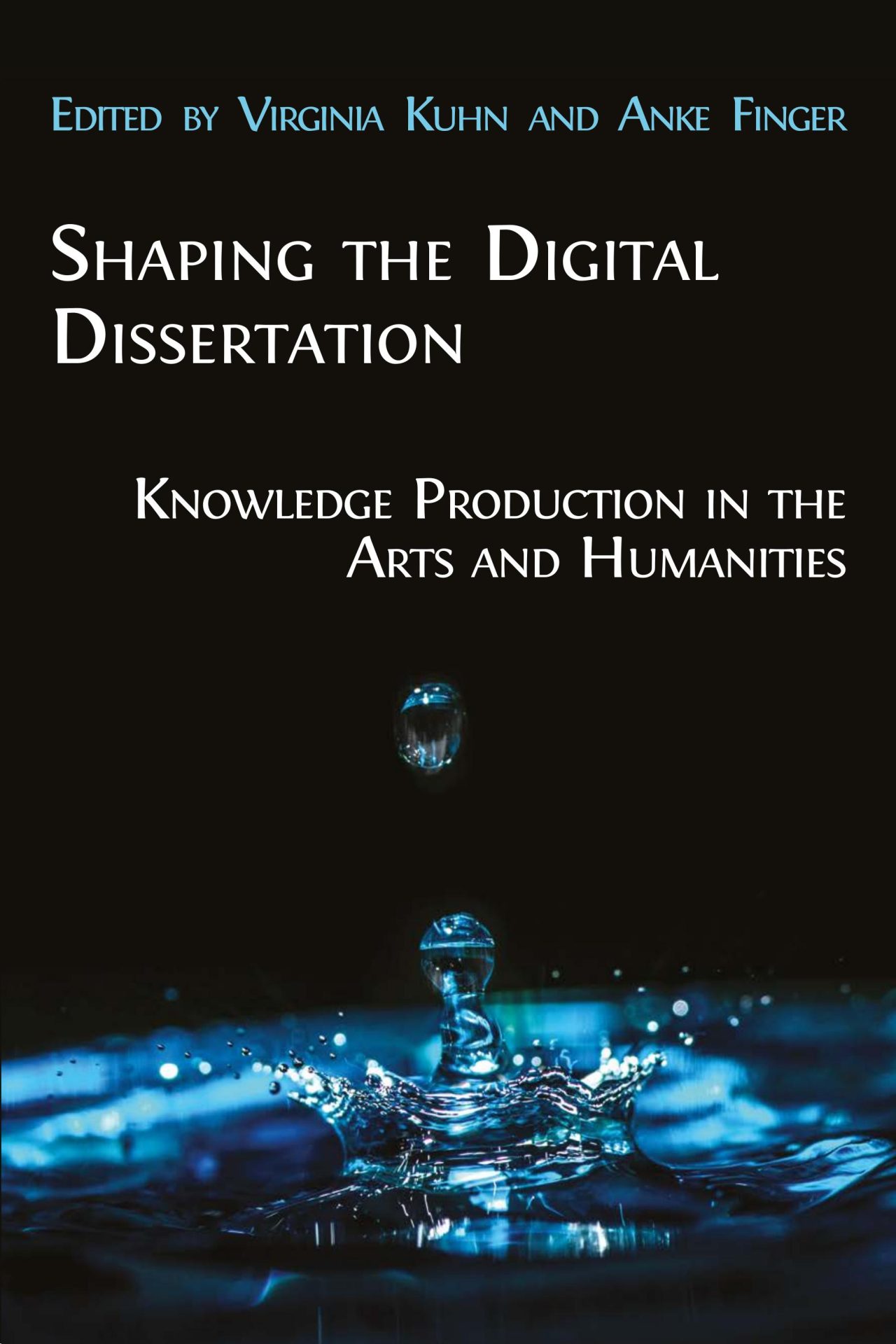
Shaping the Digital Dissertation explores explores the implications of digital scholarship across institutional, geographic, and disciplinary divides. Despite the profound effect of incorporated digital tools on dissertations, the literature concerning them is limited. This volume aims to provide a fresh, up-to-date view on the digital dissertation, considering the newest technological advances. It is especially relevant in the European context where digital dissertations, mostly in arts-based research, are more popular.
My contribution to this volume introduces MADSpace, the research platform I created as a digital companion to my doctoral dissertation. Its primary objective was to integrate both the raw data (primary sources) and processed materials (cooked data) generated during my research, and to disseminate research findings at various stages of development, including the dissertation, published scholarship, and unpublished working papers. MADSpace also features a relational database that records all actors involved in the advertising industry in modern China—individuals, companies, and branded goods—connecting them to relevant sources and data. MADSpace was originally conceived as a solution to the challenges of writing and publishing historical scholarship in the digital age. Its primary goal was to ensure the rigor and traceability of the research, providing a stable environment for selecting materials and data to be cited in the dissertation and used as digital evidence supporting the main narrative. Moreover, MADSpace underscores the principles of sharing and collaboration, offering a publicly accessible resource for scholars interested in modern China, urban history, advertising and consumer culture, spatial humanities, and digital scholarship. Originally designed as a digital companion to the dissertation, MADSpace has evolved beyond its initial purpose, becoming a cumulative and adaptable tool capable of accommodating new research questions and integrating an expanding body of research materials and data. I am the sole contributor to this paper.
The book is fully accessible in open access.